
16 AI Builders to Follow: A Deep Dive Based on Zara Zhang's Recommendations
16 AI Builders to Follow: A Deep Dive Based on Zara Zhang's Recommendations
An in-depth research based on Zara Zhang's recommended list. Sources: web search and public content. Compiled on 2026-03-31.
I. Focus and Judgment
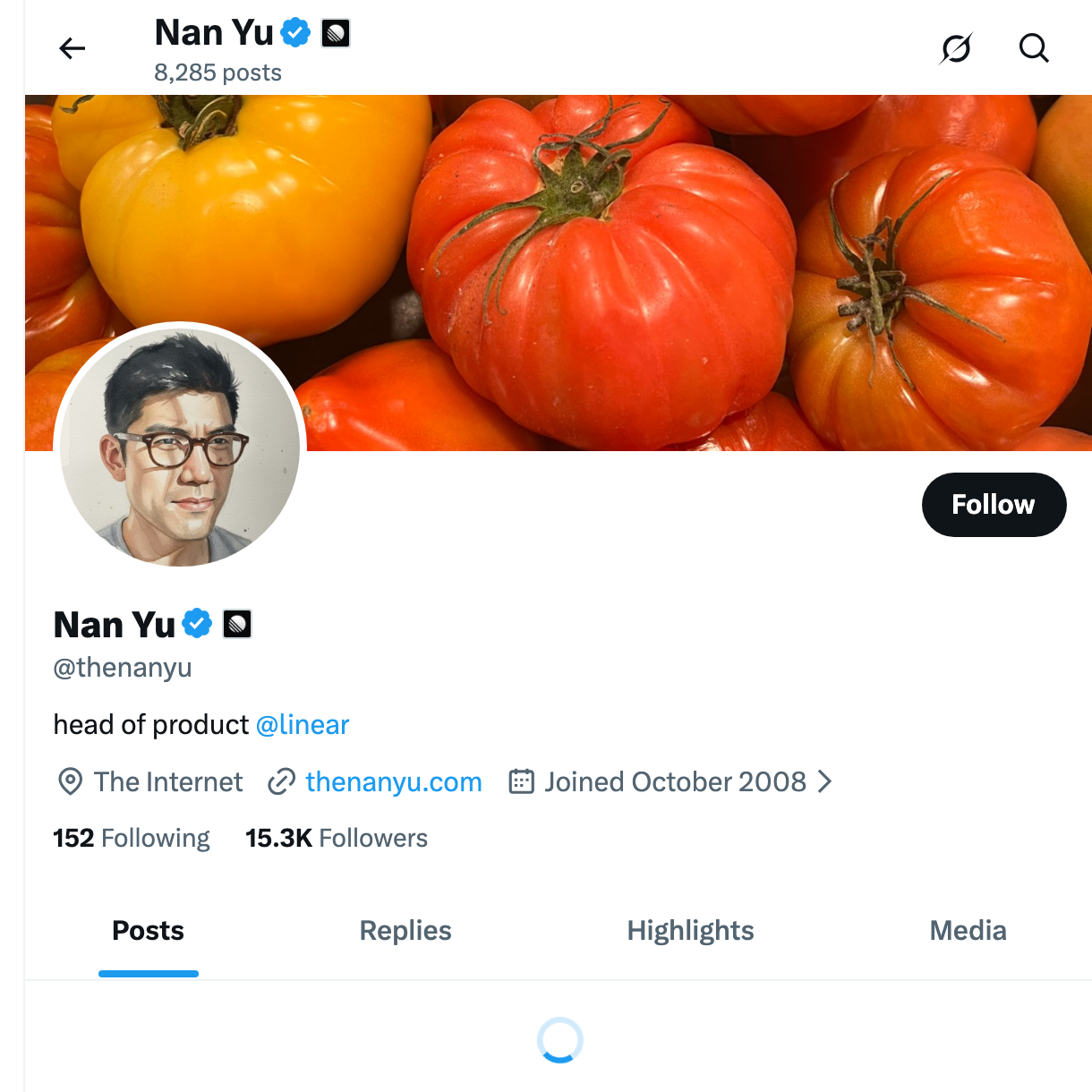
Background: Head of Product at Linear. Deeply involved in building one of developers' favorite project management tools, and a leading voice on product methodology in the AI era.
“If you're a technology company clued in to what's going on, here's the game you're playing: 'Within my chosen domain, how do I transform the most valuable problems into a series of questions that AI can competently solve?' That is the entire industry in 2026 and probably forever.”
- Written culture = AI capability multiplier. Remote work forced teams into writing things down, and written culture lets AI participate and execute directly. "In 2026, if you don't write it down, AI doesn't know — and you've already lost."
- AI's value is not cost-cutting, it's unlocking new work. AI is not a tool to fire people; it's a tool to do things that were simply impossible before.
- Speed and quality can coexist. Linear's core methodology — focus, don't die from feature bloat, deadlines are tools not pressure.
- You don't need AGI to fully automate. You just need every tech company to become a "frontier engineering force" in its domain.
Why follow: One of very few people with both first-hand building experience and a systematic product methodology for the AI era.
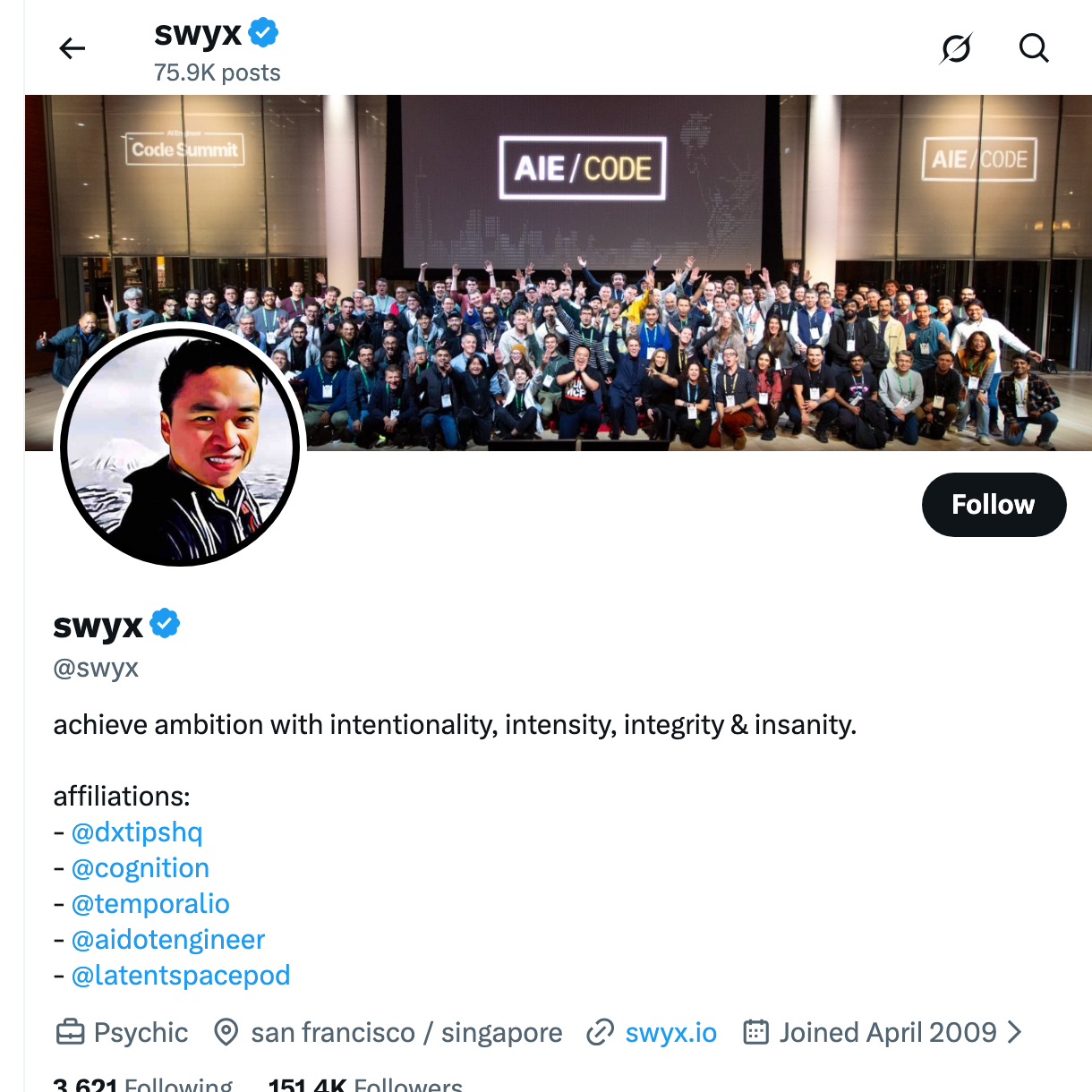
Background: Coined the term "AI Engineer". Former DevRel lead at AWS, Netlify, and Temporal. Now runs the Latent Space podcast and AI News newsletter.
“The world is unfair and power law compounds. False equivalence is the most common trap — something might be 50x more important than the next thing.”
- Power-law thinking. Bet on a tiny number of things; don't hedge, but keep optionality reversible.
- AI Engineer is a new role, not a relabel. He defined the field — not an ML engineer, not a researcher, but an engineer who builds products with foundation models.
- Latent Space expansion in 2026. From 1–2 hosts to a podcast network, with new verticals like AI for Science.
- The fairness illusion. Most opportunities die of false equivalence — treating things that are 50x more important as if they were ordinary.
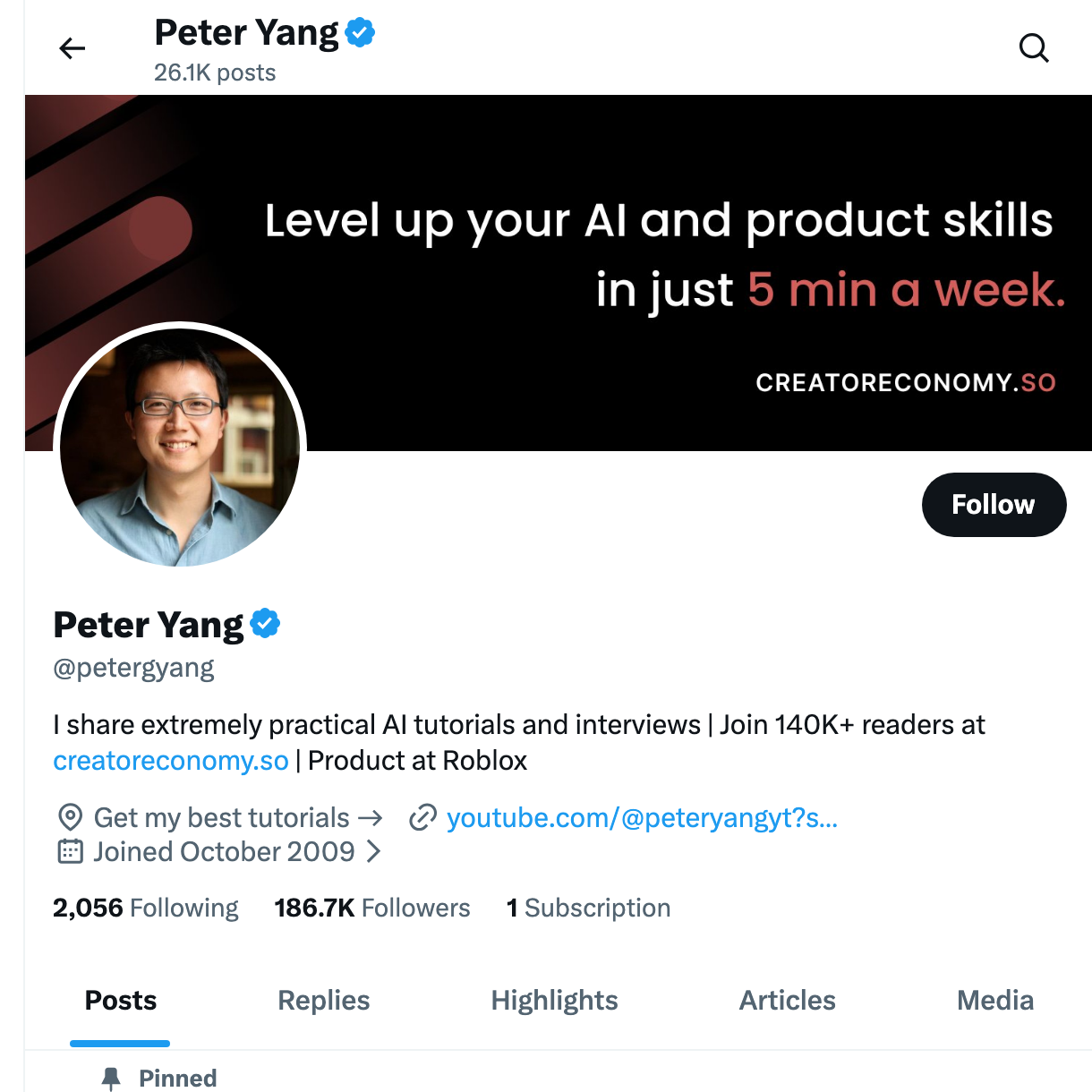
Background: Product lead at Roblox. Author of a 100K+ subscriber newsletter, focused on training PMs for the AI era.
“When execution speed is this fast, understanding what you're doing becomes more important. You can go in the wrong direction at incredible speed.”
- The PM's new role in the AI era. Managing AI agents is like managing human teammates — you have to onboard them, set context, and correct drift.
- PRDs are dead, prototypes rule. Walk into the meeting with a working prototype instead of a requirements doc.
- AI evals are the most important PM skill of 2025. Understanding evals is understanding users.
- Deep Research breakthrough. He calls OpenAI Deep Research "the best AI product since ChatGPT."
II. The Real Battlefield of Enterprise AI
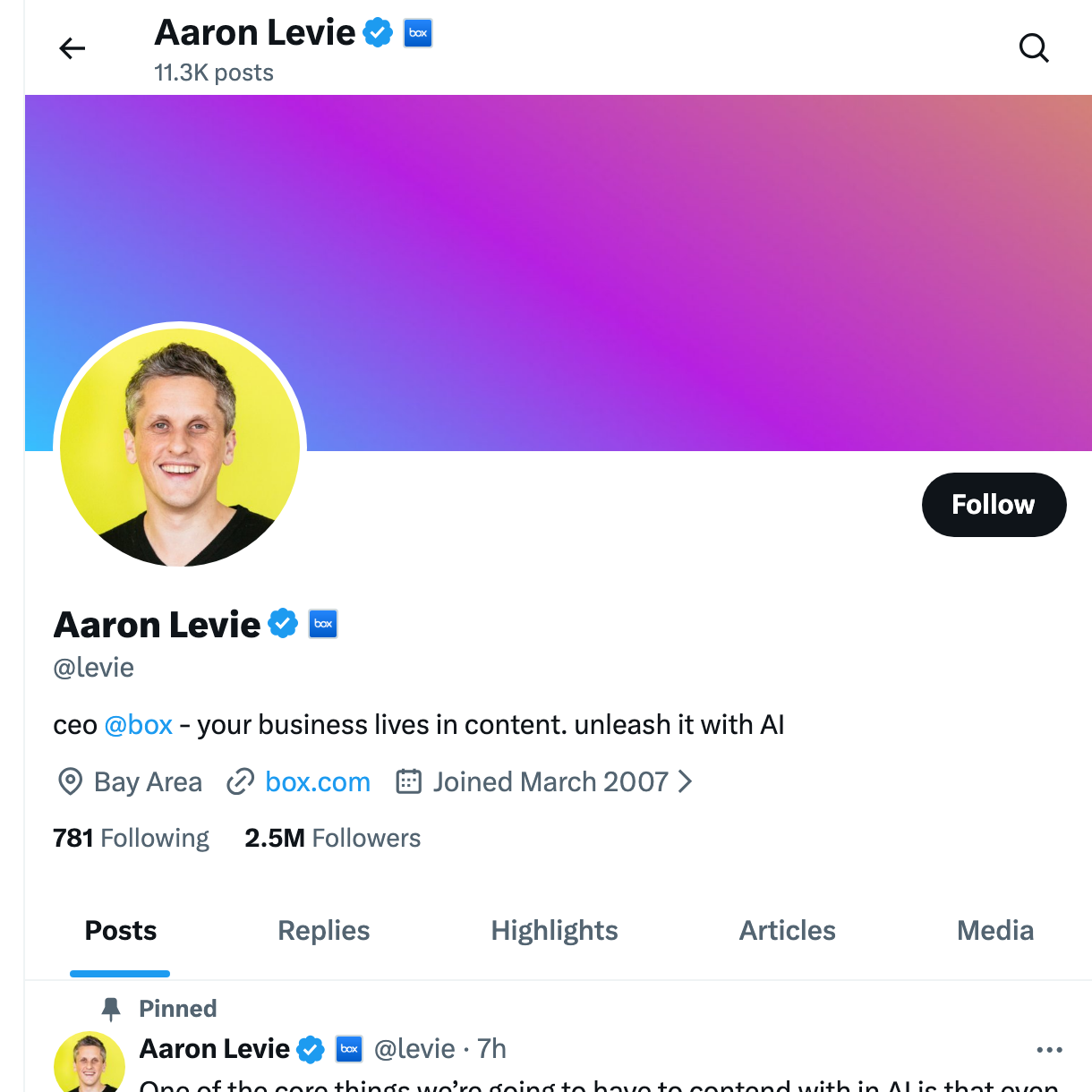
Background: Co-founder and CEO of Box. One of the most influential voices in enterprise content management, with a steady stream of insights on enterprise AI transformation.
“We'll have about 100x to 1,000x more agents than we have people. The 'per-seat' SaaS model will no longer work.”
- Agents don't replace SaaS, they merge with it. The future is a SaaS + Agent hybrid; pure "agents will replace SaaS" takes are wrong.
- Unstructured data is the ultimate battlefield for agents. 90% of enterprise data is unstructured — the first time in history we can automate these workflows with AI.
- The context gap is the biggest obstacle. Programming is easy to automate because the context is simple; real enterprise knowledge work is scattered across systems with messy permissions.
- Software must go headless. Agents will use software 100x more often than humans.
- Change management is underestimated. The biggest opportunity is building the software bridges that make enterprise "agent-ification" easier.
- The cost of AI intelligence approaches zero. He predicts AI token costs will be near-zero in 2026.
III. AI Product Design and Analysis
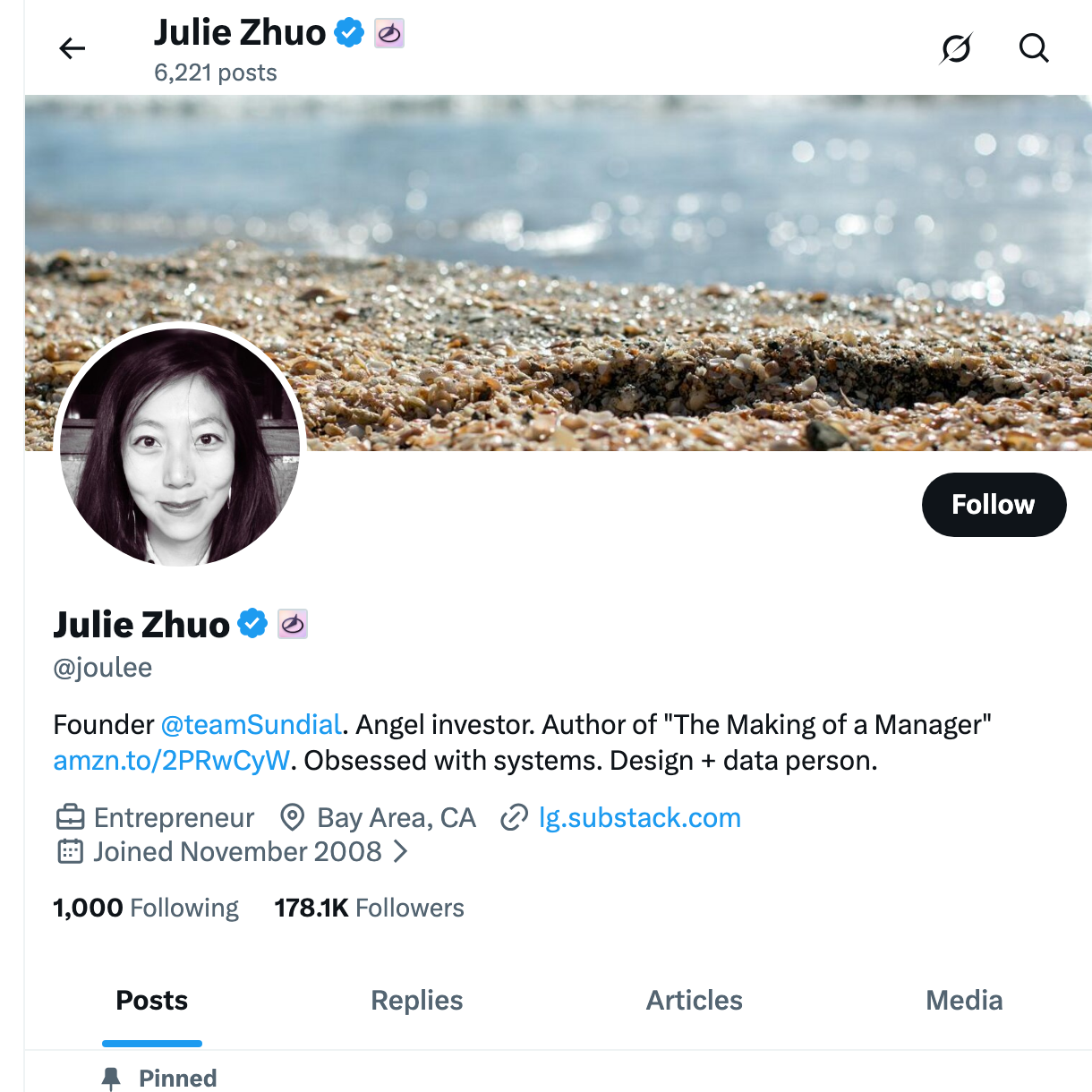
Background: Former VP of Product Design at Facebook, where she helped scale the company from 10M to 2B users. Author of The Making of a Manager. Now co-founder of Sundial (raised $23M in 2025).
“AI will fill in the gaps and give the most statistically plausible answer. It won't say 'I don't have enough information.'”
- The last 15–30% of AI analytics is brutally hard. Dozens of companies are building AI analyst agents, but none can confidently open them up to all business users.
- Orthogonal context theory. Use independent facts from different dimensions to squeeze out ambiguity from multiple angles.
- Data interpretation traps. 5M MAU and 80% DAU/MAU look healthy — until you add average session length of 30 seconds, which is a red flag for a content app.
- Sundial's mission. Democratize data analysis so every business user can make data-driven decisions.
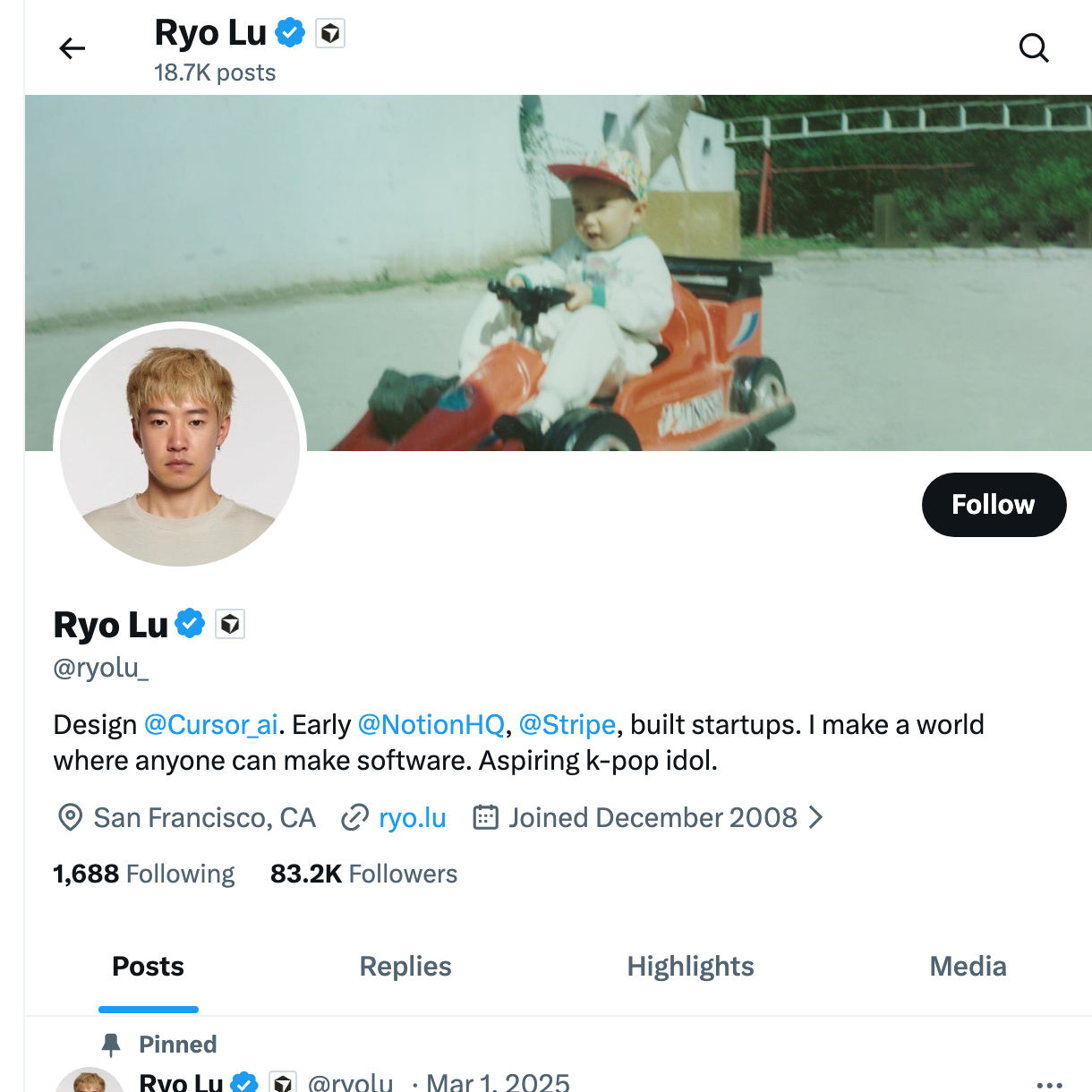
Background: Head of Design at Cursor. Redefining the designer's role in AI-assisted coding and one of the most articulate practitioners of "design as code".
“New AI tools allow you to get a 60-70% complete product from an ambiguous idea.”
- Design shifts from painting to sculpting. Designing in Figma is painting; in Cursor it's sculpting — finding the David inside the marble.
- Taste, craft, and judgment are the real bottlenecks. When agents make adding features easy, design matters more, not less.
- Against "purple AI slop". AI-generated interfaces shouldn't be cookie-cutter sameness — they need soul and personality.
- ryOS. He built an entire "personal operating system" with Cursor.
- Intent-driven design systems. Build a "meta-language for color" — don't pick colors, describe why this color.
IV. Startup Strategy in the AI Era
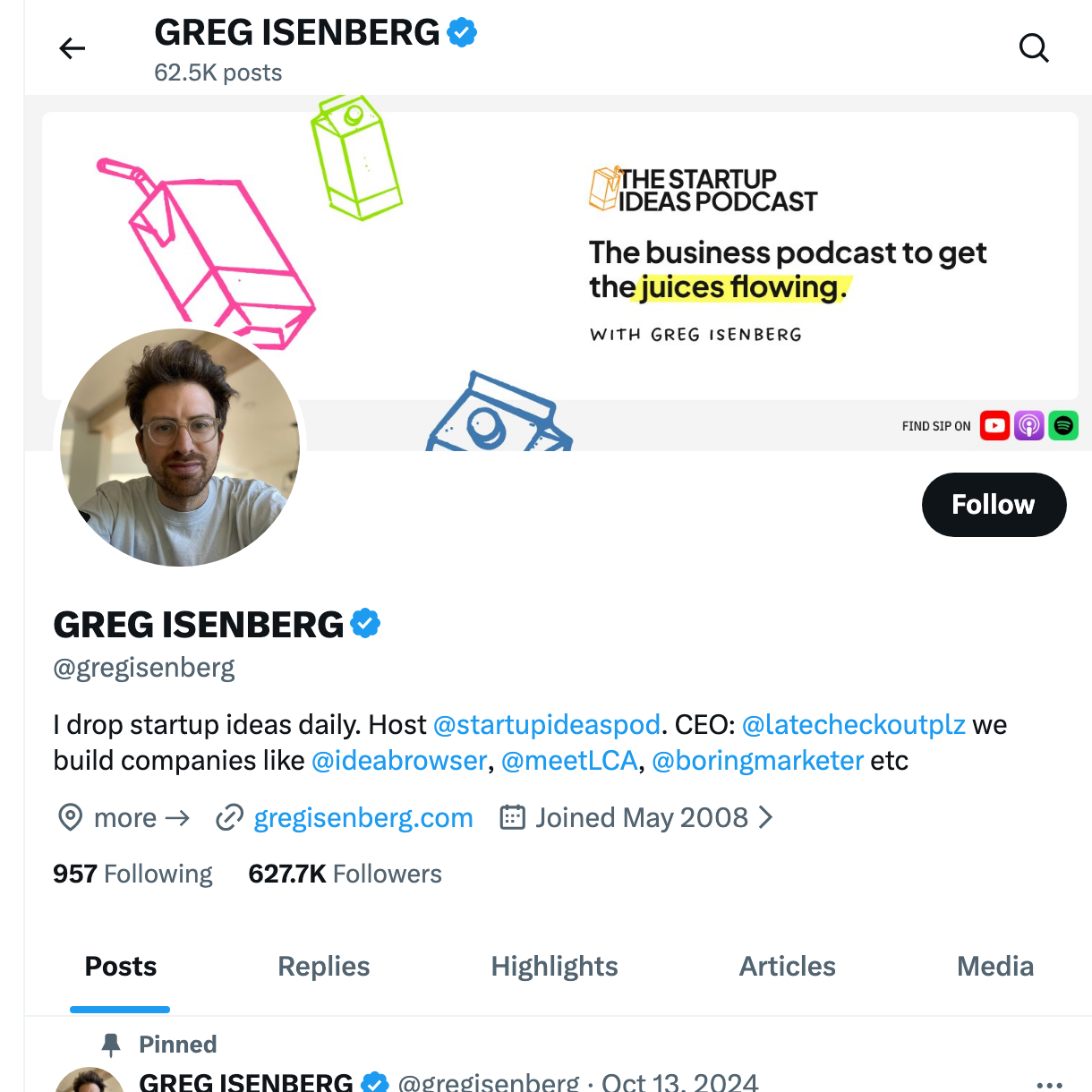
Background: Founder and CEO of Late Checkout. Former advisor to Reddit and TikTok, and a leading voice on community-driven startup methodology.
“The marginal cost of creating a company is approaching zero. When the cost of creating something approaches zero, the number of things created approaches infinity.”
- The ACP framework. Audience → Community → Product. Products can be copied; communities cannot.
- Mental models for managing AI agents. 1) Agents start every session with no memory — give them "Polaroids". 2) When they mess up, add one rule to the persona prompt. 3) Encode your own taste — AI can do anything except know your values. 4) Don't generate a whole app in one shot — engineer builds, QA reviews.
- From Builder to Operator. Building is easy; making the company run without you is the real challenge.
- The path to $10M ARR in AI. Solve one industry's pain point — don't build a universal agent.
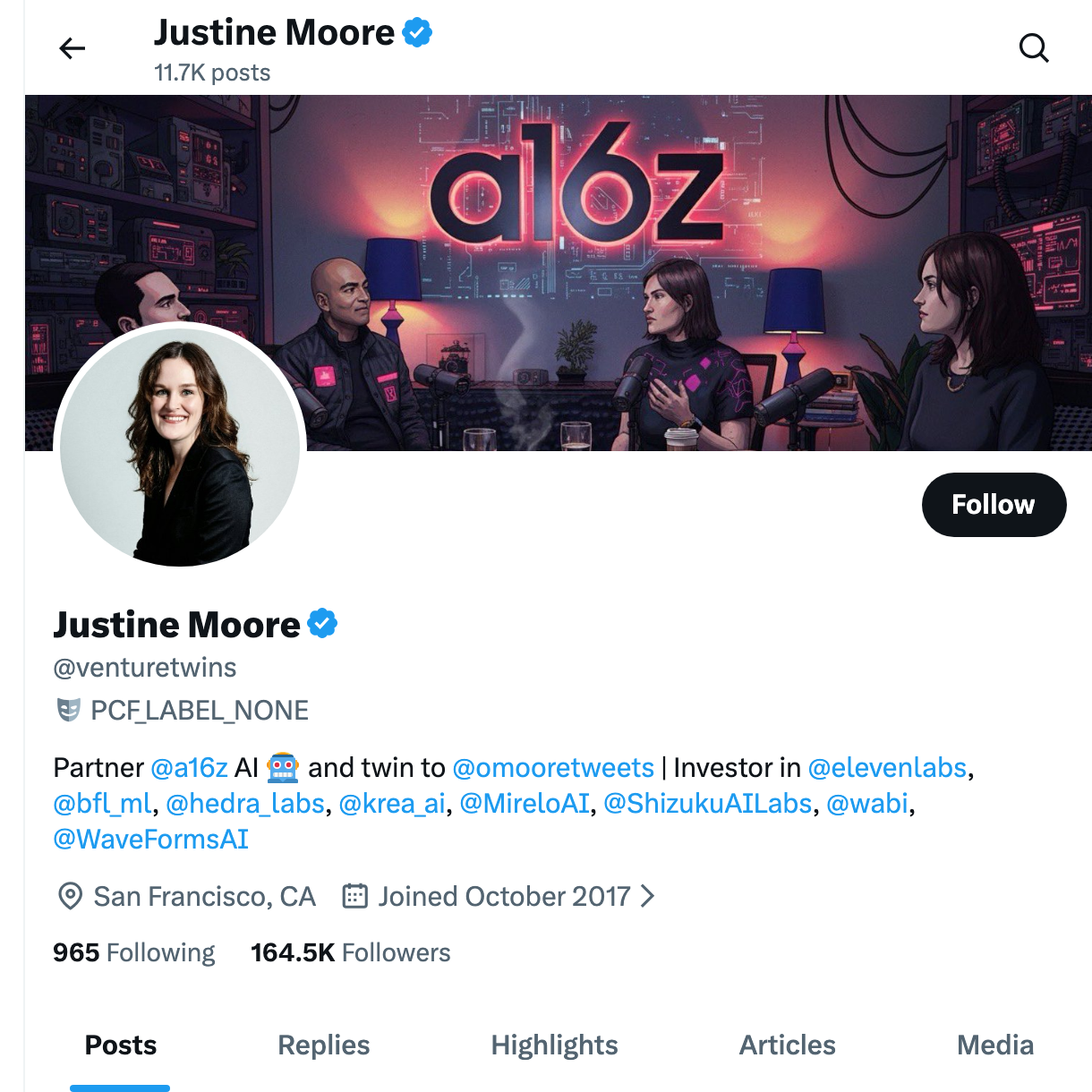
Background: Partner at Andreessen Horowitz (a16z). Focused on AI product and infrastructure investments, and one of the most active VC voices in the AI era.
“Still not over the fact that we can rent intelligence now.”
- The 2025 AI investment landscape. Nearly half of global VC dollars went to AI, totaling over $200B. AI companies raised 11x more than non-AI companies in the same period.
- The best AI products tend to be layered systems. Pipelines of multiple models cooperating, not a single monolith.
- Big tech strikes back in 2026. Incumbents will mount their real AI counter-attack in 2026.
- AI security alarm. 2025 saw the first large-scale cyberattack engineered primarily by AI.
V. Learning and Education
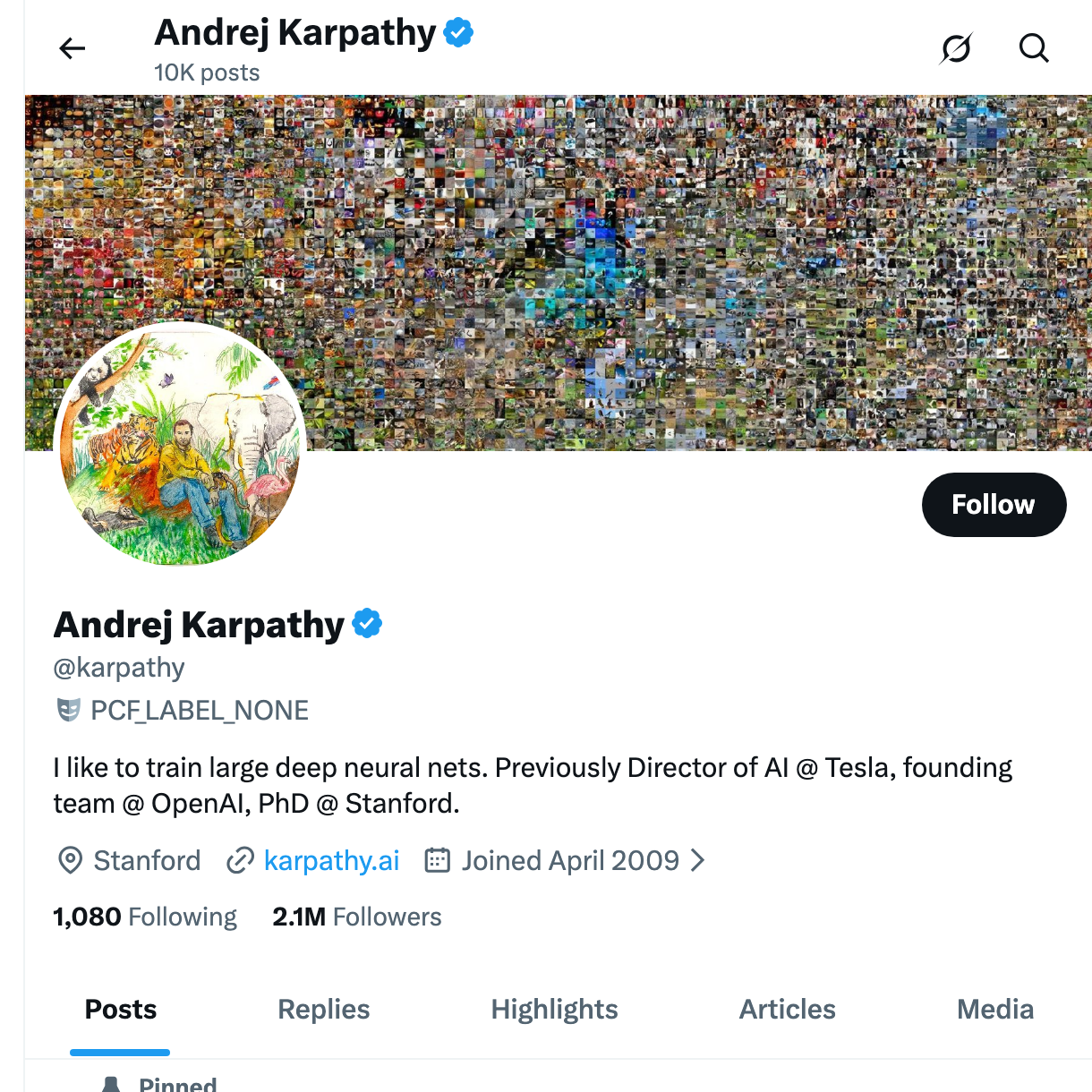
Background: Former head of Tesla Autopilot and founding member of OpenAI. Now an independent AI educator, and one of the most trusted AI explainers in the world.
Core insight: (Core insight, 2025–2026 wrap-up. December 2025 tweet, 14M views.)
“I've never felt this far behind as a programmer.”
- "Vibe Coding" — he coined the term. You don't need to understand every detail. Feel the direction, let AI fill in the details, then iterate.
- LLMs are "summoned ghosts". AI is not an evolving animal; it's a ghost of human data.
- RLVR is the new training paradigm. Reinforcement Learning with Verifiable Rewards — the most important technical shift of 2025.
- Software 1.0 → 2.0 → 3.0. From handwritten code → neural network weights → natural language interfaces.
- Less than 10% of LLM potential has been unlocked. The most valuable paradigm shift in tech — and we've only scratched the surface.
- microgpt. February 2026: a trainable GPT in 200 lines of pure Python — back to first principles.
- Beware LLM sycophancy. LLMs are both tools for forming your own opinions and cognitive traps.
VI. Product and GTM Perspectives
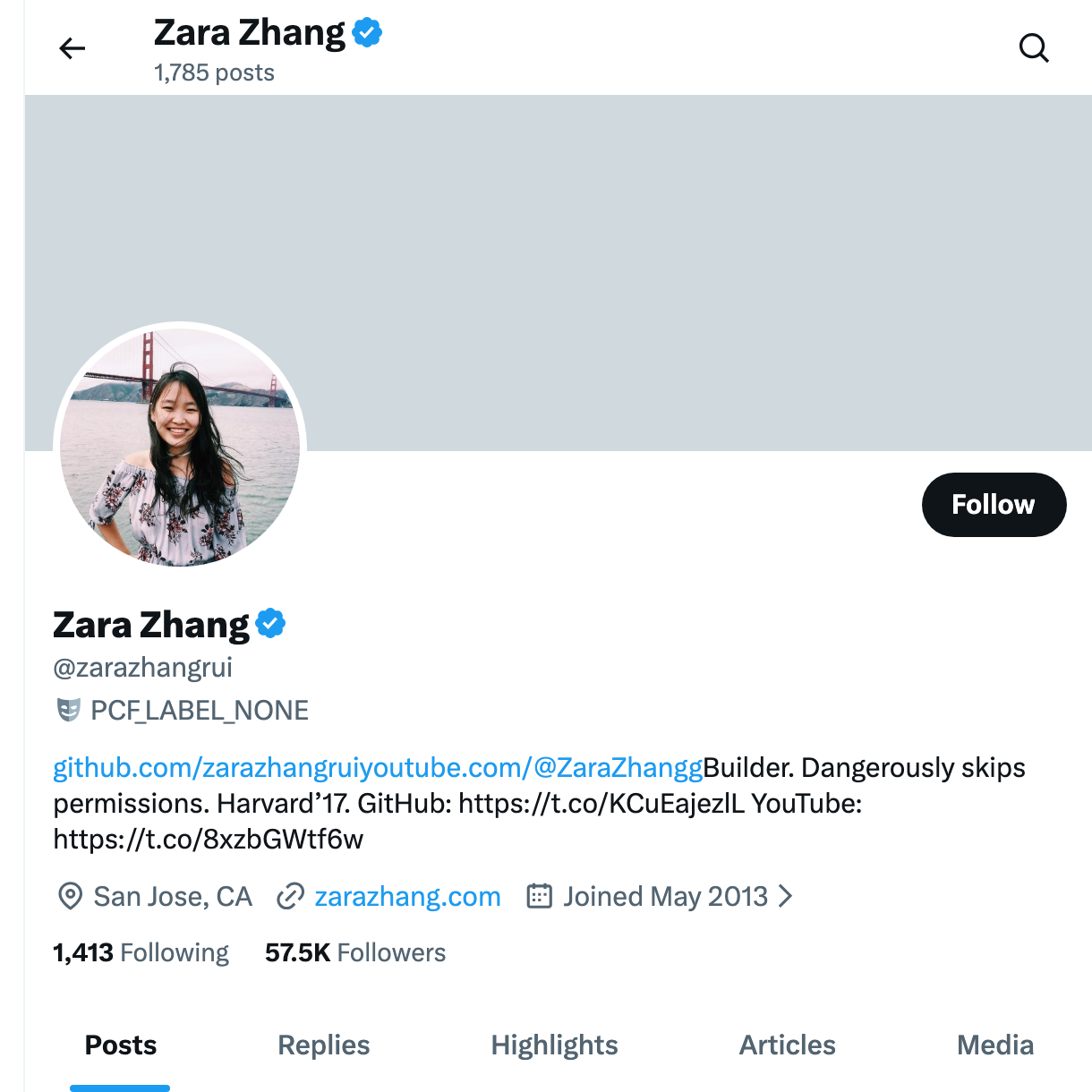
Background: Harvard '17. AI × learning product builder. Founder of longcut.ai and creator of the open-source follow-builders project. The original source of this list.
“Almost every AI power user I know is MORE stressed and busier after using AI, not less — because AI 10x's productivity but results in taking on 20x more work.”
- Follow builders, not influencers. She built follow-builders, an open-source project that automatically tracks 25 AI builders who are actually shipping.
- Builder + Creator is the strongest leverage of 2026. When you both build and share, content documents the journey, products improve from feedback, and the audience becomes the distribution channel — all three reinforce each other.
- Creation that doesn't need to scale. Build costs approach zero, and for the first time it's normal to build just for yourself.
- TLDW (Too Long; Didn't Watch). AI isn't just compression; it's filtering and curation.
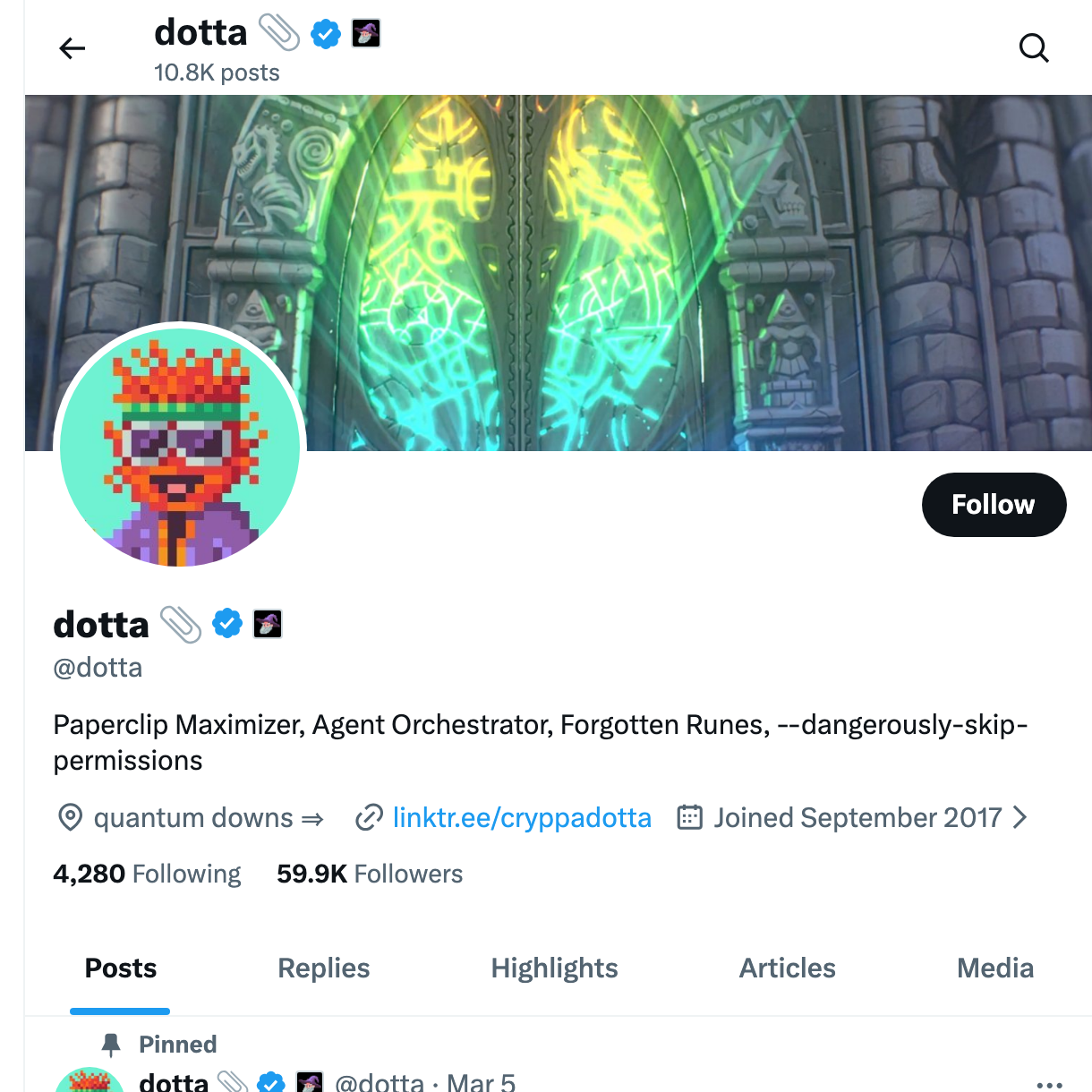
Background: Former CCO at Activision Blizzard and former VP of Comms at Substack. Now founder of Rostra, board member at Shopify, and closed a **$40M VC fund** at the end of 2025.
“Storytelling is alpha. Narrative and capital both compound.”
- "Going Direct" is the default. Not rejecting media, but building immunity to middlemen.
- Narrative alpha in 2026. The edge in 2026 comes from doing real things, showing real evidence, and zero tolerance for low-quality content.
- A physics framework. When attacked, spread force (pressure = force / area). When attacking, concentrate it on one point.
- Founder positioning advice. Startups should look like rebels, not incumbents.
VII. Emerging Product Creators
Background: Former product lead of Google NotebookLM. Left at the end of 2024 to start Huxe, an audio AI product, and raised $4.6M.
“By focusing on audio, I think we'll learn different use cases than the chat use cases. Voice is still largely untapped.”
- The "awkward adolescence" of AI interfaces. This is the messiest and most opportunity-rich moment in the history of AI UX.
- Huxe's core idea. AI should push intelligence to you instead of waiting for you to prompt it.
- Audio beats text in certain scenarios. Audio lets people consume content without looking at a screen.
- Lessons from NotebookLM. It grew from a 20% project into a product with 60K Discord users.
- Privacy first. No training models on user data.
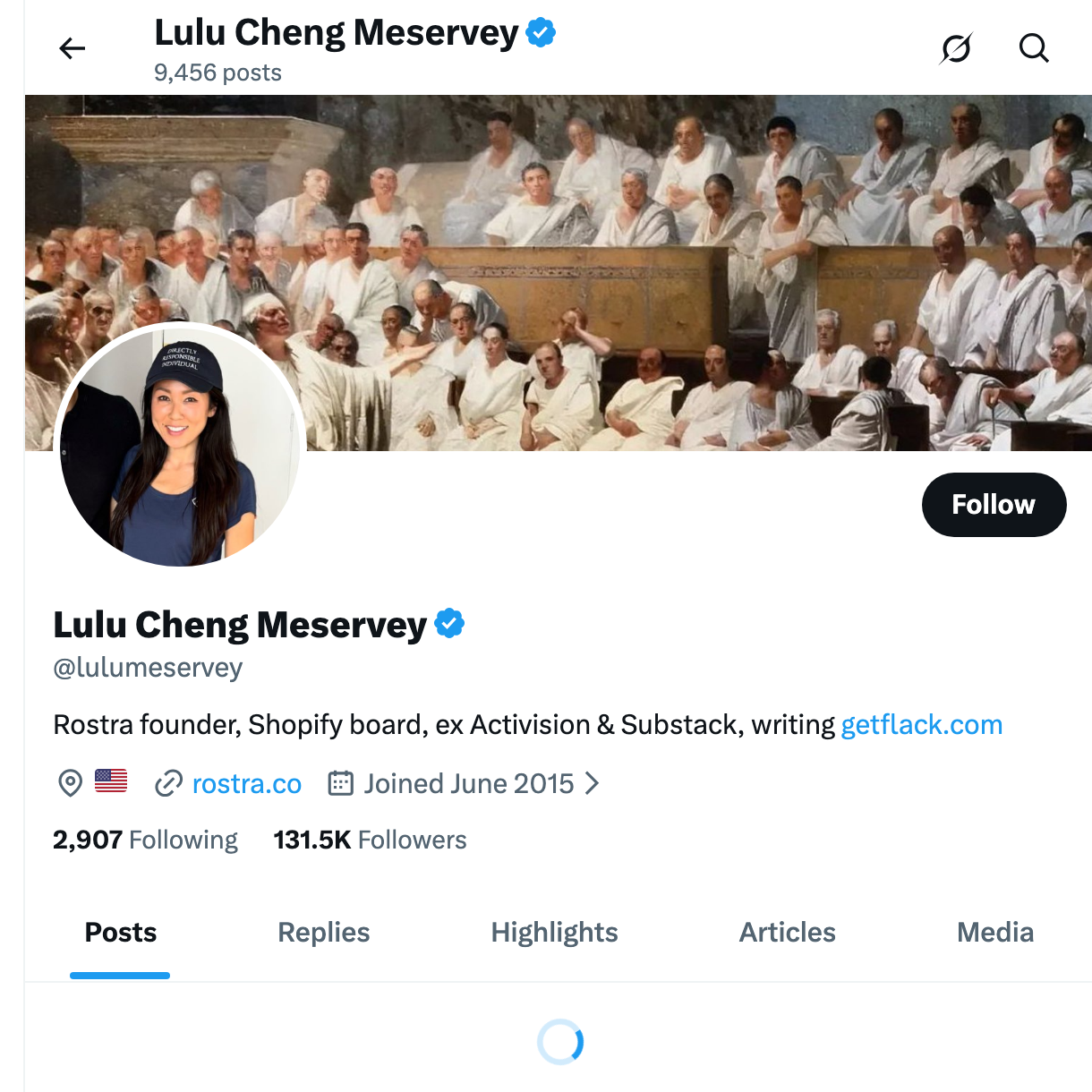
Background: Well-known figure in crypto/NFTs, now in AI agents. Co-founder of Paperclip, an open-source agent orchestrator that crossed **30K GitHub stars in 3 weeks**.
Core insight: — a clean expression of the efficiency philosophy of AI-native teams.
“We'd rather waste tokens than waste time.”
- The Paperclip philosophy. A Bring-Your-Own-Bot orchestrator compatible with Claude Code, Codex, OpenCode and more — no vendor lock-in.
- Agent memory management. Give agents "Polaroids" — heartbeat checklists, persona prompts, written context.
- Importable company templates. In the future you'll be able to "aqua-hire" pre-validated agent teams.
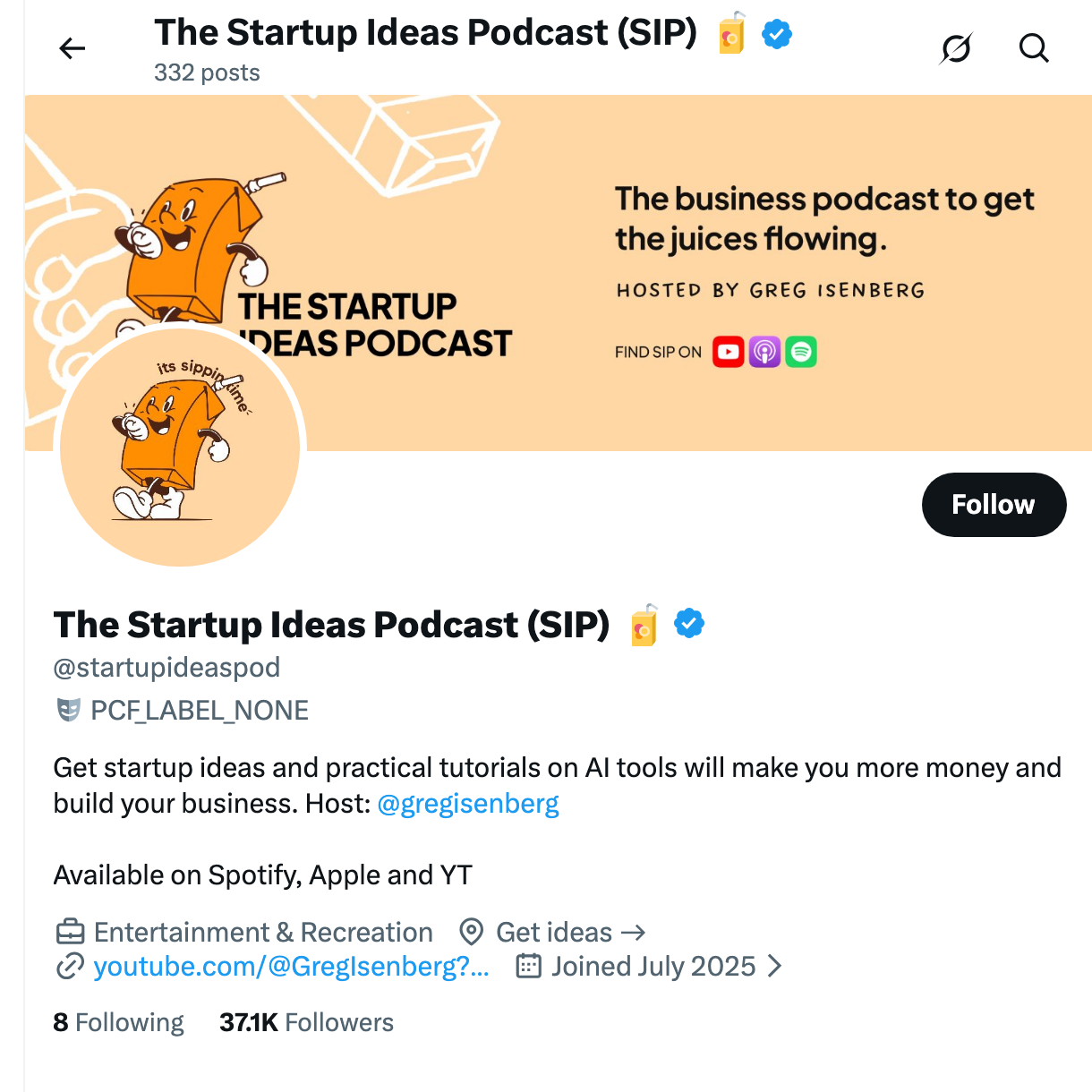
Background: Hosted by Greg Isenberg. Two episodes a week brainstorming concrete startup ideas with industry builders.
- Recent highlights. Live demo with Dotta — from one idea to a complete AI agent company; a breakdown of Karpathy's open-source Autoresearch project + 10 buildable business opportunities; how to build a $1M ARR B2B AI startup in 2025.
- Why follow. Not pure theory — every episode has concrete, actionable business ideas with execution paths.
“We'd rather waste tokens than waste time.”
Note: Limited public info. Representative quote: "We'd rather waste tokens than waste time." — the extreme efficiency stance of AI-native teams: human time is more expensive than compute.
Note: Limited public info. Representative tip: "During weekday peak hours Claude session limits burn down faster while the weekly total stays the same — move token-heavy tasks to off-peak hours." A power-user sharing practical AI tool tips.
Summary Table
| Handle | Area | One line worth remembering |
|---|---|---|
| @thenanyu | Product / Linear | "The 2026 game: turn the most valuable problems into questions AI can solve." |
| @swyx | AI Engineer | "Power-law compounding — only bet on the very few." |
| @petergyang | PM education | "Your new job is onboarding and managing AI agents." |
| @levie | Enterprise AI | "There will be 100–1000x more agents than people." |
| @joulee | Design / Data | "The last 15–30% of AI analytics is brutally hard — and it's a product design problem." |
| @gregisenberg | Startups | "The marginal cost of creating a company is approaching zero." |
| @karpathy | AI education | "We've unlocked less than 10% of LLM potential." |
| @zarazhangrui | AI curation | "Builder + Creator is the strongest leverage of 2026." |
| @ryolu_ | Design / Cursor | "Design has shifted from painting to sculpting." |
| @venturetwins | VC / a16z | "We can rent intelligence now." |
| @lulumeservey | Comms / GTM | "Storytelling is alpha; narrative and capital both compound." |
| @raizamrtn | Product / Audio AI | "Voice is still a deeply underrated AI interface." |
| @dotta | Agent tooling | "We'd rather waste tokens than waste time." |
| @brandonchen00 | AI-native culture | "Tokens are cheaper than human time." |
| @trq212 | AI tool usage | "Move token-heavy tasks to off-peak hours." |
| @startupideaspod | Startup podcast | Every episode delivers actionable ideas + execution paths. |
This article is sourced from the Feishu knowledge base. For details seethe original article.